Slow cooker family dinners: the weeknight guide that actually works
A slow cooker is the one appliance that gives a weeknight back to you: ingredients in before work, dinner ready when you walk in. It is also the most under-used pan in most European kitchens, usually pulled out twice a winter instead of weekly. This guide covers what to put in it, how long to leave it, and which habits turn it into a genuine weeknight system rather than a one-off.
What are the best slow cooker meals for a family?
The best slow cooker meals use tougher, cheaper cuts: beef chuck or shin, pork shoulder, chicken thighs, and dried or tinned beans and lentils, which need hours of gentle heat to break down. Stews, ragùs, chillies, curries, pulled meat, and bean-based soups all suit the method. Delicate things, like fish, pasta, green vegetables and dairy, go in at the end.
As a rule of thumb: if a cut is cheap because it is tough, the slow cooker is what makes it worth buying. The same chuck steak that fights back in a frying pan turns tender after six hours of gentle heat, which is most of the saving behind batch-cooking on a budget.
How long does a slow cooker dinner actually take?
Most slow cooker dinners run 6 to 8 hours on low or 3 to 4 hours on high, with low generally giving a better texture for cheaper meat cuts. Prep is the only hands-on time — usually 15 to 20 minutes of chopping and browning before you leave the pot alone for the rest of the day.
Low and high reach the same final temperature; low just takes longer to get there, which is why it suits a full working day better and high suits a dinner you started prepping at lunchtime.
Do you need to brown the meat first?
No, you can skip it and the meal will still cook through fine. Browning the meat and softening the onions in a pan for five minutes first adds real flavour through caramelisation that the slow cooker itself cannot produce, so it is worth doing on a weekend batch but reasonable to skip on a rushed weekday morning.
Can you leave a slow cooker on all day while you're at work?
Yes — slow cookers are built for exactly this, and running one unattended for 6 to 10 hours on low is the normal use case, not a risk. Keep it on a stable, heatproof surface away from the counter edge, don't overfill it past about two-thirds full, and make sure the lid is seated properly before you leave.
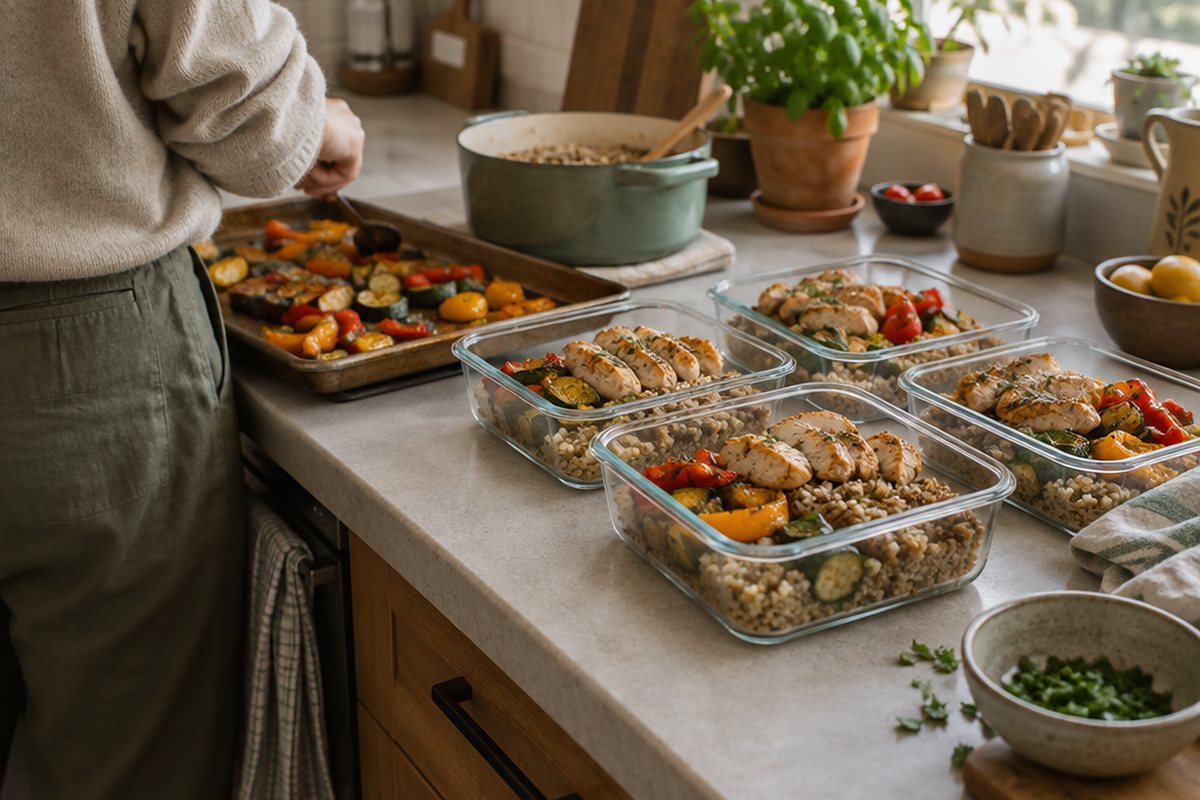
A few habits make the difference between a reliable weekday system and an occasional treat: keep a short list of two or three go-to recipes you know the timing for, prep the night before so morning is just tipping a bag into the pot, and keep liquid roughly level with the other ingredients — not drowning them — so the sauce doesn't finish thin.
Can you prep slow cooker dinners ahead and freeze them?
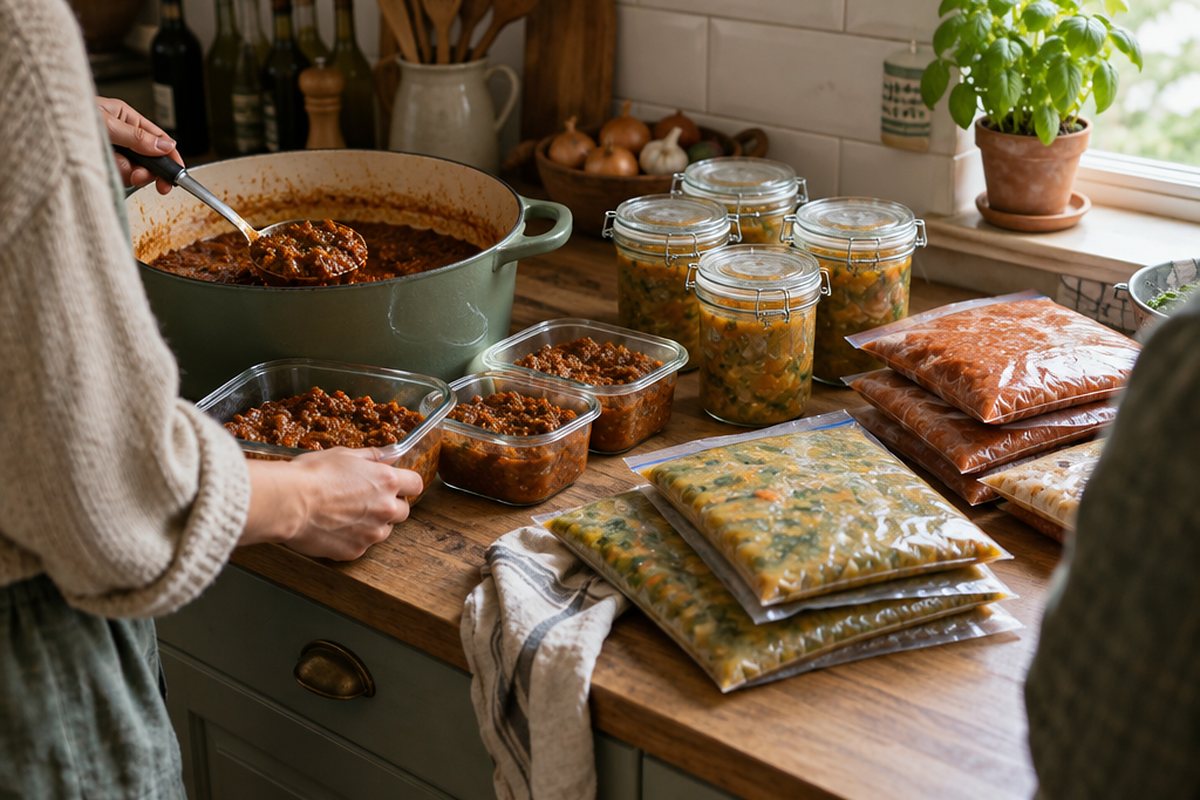
Yes. Chop and portion the raw ingredients — meat, vegetables, spices — into a freezer bag, lay it flat, and freeze. The night before, move the bag to the fridge to thaw; in the morning, tip it straight into the pot. A batch of four or five bags on a Sunday covers most of the working week.
Label each bag with the dish name and the date — after a few weeks in the freezer, chilli and ragù look identical. A lead-free marker on masking tape is enough; there's no need for anything fancier.
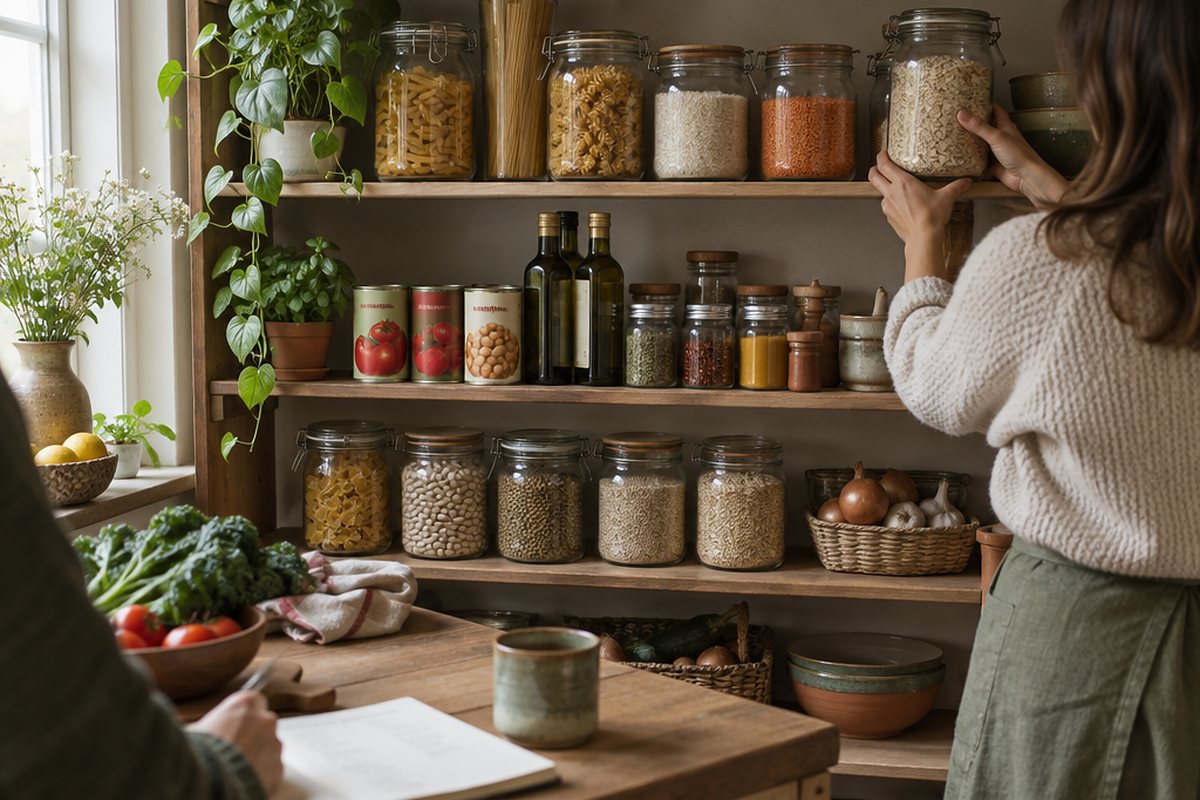
7 slow cooker staples worth keeping in a European kitchen
- Chuck or shin beef — the classic stew cut, widely stocked at Lidl, Aldi and Carrefour, usually among the cheaper beef cuts on the shelf.
- Pork shoulder — good value and forgiving; shreds easily for wraps, rice bowls or a Sunday roast-style dinner.
- Chicken thighs, bone-in or boneless — stay moist over long cooking in a way chicken breast does not.
- Dried or tinned lentils and beans — a budget backbone for dahls, chillies and minestrone-style soups; dried pulses are cheaper per serving than tinned.
- Tinned tomatoes and passata — the base of most slow cooker sauces; Albert Heijn and Carrefour own-label versions work as well as branded ones.
- Stock cubes or bouillon paste — use less than a stovetop recipe calls for, since nothing evaporates.
- Root vegetables — carrots, potatoes, swede and parsnip hold their shape over a long cook better than courgette or pepper, which turn to mush.
A slow cooker typically draws somewhere in the range of 150 to 250 watts, which works out to roughly 1 to 2 kWh over an 8-hour low cook — a fraction of what an oven uses over the same stretch, since the oven is heating a much larger, poorly insulated space the whole time. The exact saving depends on your cooker size and local electricity tariff, but it is consistently the cheaper way to cook a long dinner.
Frequently asked questions
Can you put frozen meat straight into a slow cooker? It's better not to. Slow cookers heat up gradually, so frozen meat can sit at a lukewarm temperature for longer than is ideal before the pot reaches a proper simmer. Thaw meat in the fridge overnight first — it also means the meat browns properly if your recipe calls for it.
Why did my slow cooker dinner turn out watery? Slow cookers trap steam instead of letting it evaporate, so liquid that would normally reduce on a stovetop just sits there. Use less stock than a conventional recipe calls for, or remove the lid for the last 30 to 45 minutes on high to let the sauce thicken naturally.
What's the difference between a slow cooker and a pressure cooker? A slow cooker cooks gently over many hours at a low, steady temperature, which is what breaks down tough cuts without you watching it. A pressure cooker (electric multi-cookers like the Instant Pot) uses trapped steam pressure to cook the same cuts in well under an hour. Slow cookers suit a working day; pressure cookers suit a last-minute dinner.
How Tova helps
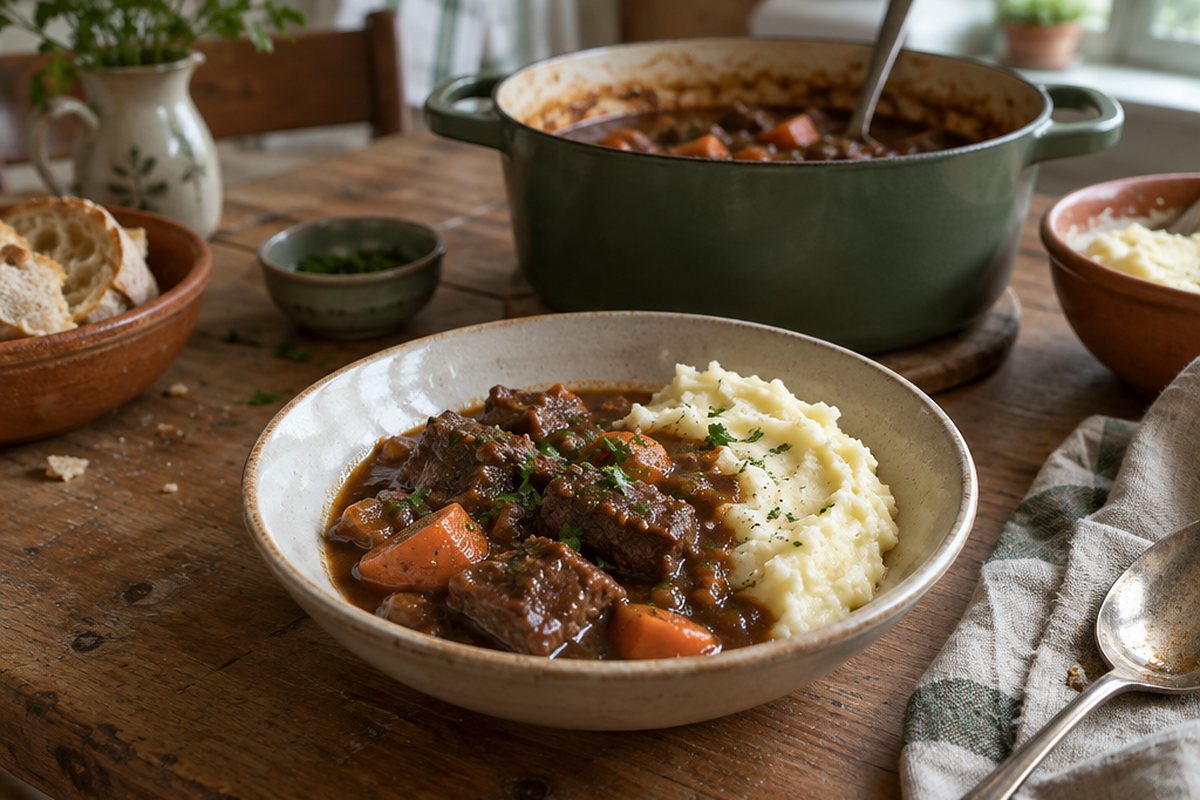
Tova keeps 52 free family dinner recipes on the site right now, including slow-simmered options like a beef stew with mash — no account or email address needed to read any of them. Every recipe lists the cost per serving up front, worked out from average EU grocery prices, so you know roughly what a dinner will cost before you've bought anything. Browse the collection at /recipes/.